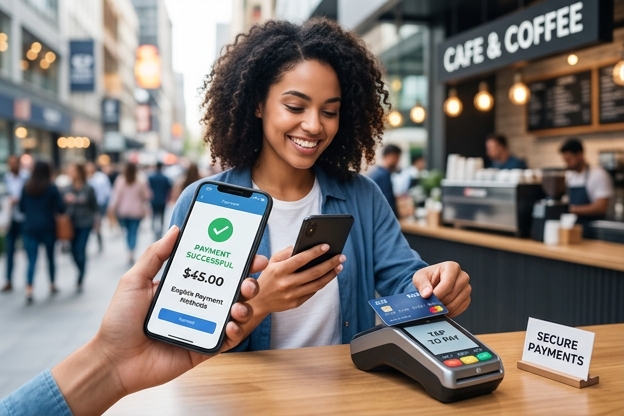
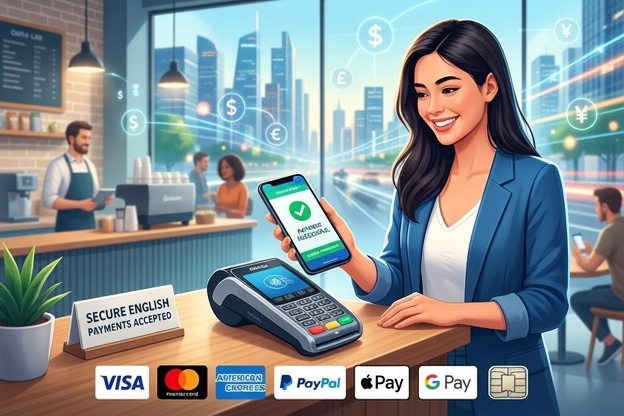
Learn the key differences between credit and debit cards including how they work their fees protections rewards and how to choose the right one for your needs
Getting Clear on Your Options
If you have ever stood at checkout wondering whether to tap credit or debit, you are not alone. Credit and Debit Cards: What They Are, How They Work, and How to Choose the Right One is not just a consumer finance topic; it affects your cash flow, fraud protection, rewards, debt risk, and even how businesses approve payments behind the scenes. The wrong choice can cost you interest, overdraft fees, missed rewards, or weaker dispute rights.
That is why businesses and consumers alike turn to specialists who understand card behavior at a deeper level. High Risk Credit Card Processing works closely with merchants that depend on reliable card acceptance, and that front-line experience reveals something important: people often use credit and debit cards as if they are interchangeable, even though they operate very differently once a transaction moves through the payment network.
Credit cards let you borrow money from an issuer up to a set limit and repay it later, either in full or over time with interest. Debit cards pull money directly from your checking account, so you are typically spending funds you already have. Choosing the right one comes down to your financial habits, your need for protections, and how much discipline you bring to repayment.
Here is the practical truth: neither card type is universally better. Credit can build your financial profile and add protection, while debit can keep spending grounded in reality. The smart move is to understand where each one wins, where each one fails, and when using both together gives you the strongest outcome.
Table of Contents
- Credit cards and debit cards at a glance
- How credit cards actually work
- How debit cards actually work
- Fees, rewards, and legal protections
- Which card fits different spending scenarios
- How to choose the right card for your needs
- Common mistakes and risk points
- What I have seen in real merchant environments
- Card trends shaping consumer payments
- Final takeaways and next steps
Credit Cards and Debit Cards at a Glance
A credit card is a revolving borrowing tool. The issuer gives you a credit line, you make purchases against that line, and you repay the balance by the due date or carry part of it forward with interest. A debit card, by contrast, accesses your bank account directly. In most cases, the money leaves your account almost immediately or within a very short processing window.
From the outside, both cards look similar. They may carry the same network logo, support tap-to-pay, and work with the same online checkout forms. But the economics behind them are completely different. Credit is based on lending risk. Debit is based on deposit access. That distinction affects everything from fraud disputes to consumer psychology.
- Credit cards are best known for rewards, purchase protection, travel benefits, and the ability to smooth cash flow.
- Debit cards are best known for budget control, immediate account impact, and avoiding interest charges.
- Credit cards can help build credit history when used responsibly.
- Debit cards do not usually build your credit profile because they are not lending products.
According to the Federal Reserve Payments Study released in recent years, card payments continue to make up the largest share of noncash consumer transactions in the United States. That matters because the more card-dependent the economy becomes, the more expensive misunderstandings become for both households and merchants.
How Credit Cards Actually Work
Billing cycles, grace periods, and minimum payments
When you use a credit card, the issuer pays the merchant on your behalf and adds the charge to your account balance. You then receive a statement covering a billing cycle, usually around 28 to 31 days. If you pay the full statement balance by the due date, you generally avoid interest on purchases. If you pay only the minimum, the remaining balance rolls over and begins accruing interest based on your annual percentage rate, or APR.
This is where many consumers get trapped. A low minimum payment can feel manageable, but it can stretch repayment over years. According to Consumer Financial Protection Bureau reporting and card agreement data trends, revolving debt becomes most expensive when cardholders confuse “minimum due” with “safe to carry.” Those are not the same thing.
Credit limits, utilization, and credit scores
Your available credit line also affects your credit profile. If you use too much of your limit, even if you pay on time, your credit utilization ratio may rise and put pressure on your score. Many financial professionals treat keeping utilization under 30% as a good rule of thumb, with even lower levels often producing better score outcomes.
Credit cards also offer a strategic advantage: they create a documented history of borrowing and repayment. That can help when applying for mortgages, auto loans, or business financing. Debit cards do not provide that same scoring benefit because they do not represent credit use.

How Debit Cards Actually Work
Direct account access and authorization
Debit cards connect to your checking account. When you make a purchase, the merchant requests authorization through the card network, and your bank confirms whether the funds are available. In many cases, the amount is placed on hold and then settled shortly afterward. The practical effect is simple: your purchase reduces your bank balance, usually right away.
For people who want hard spending boundaries, this is a major advantage. You are less likely to drift into debt because you are not borrowing. If you do not have enough money available, the transaction is often declined unless overdraft coverage is enabled.
PIN transactions, overdrafts, and dispute limits
Debit can run in multiple ways, including PIN-based and signature-based processing. Most consumers never think about the distinction, but it can affect routing, speed, and sometimes merchant costs. From the consumer side, the bigger concern is overdraft exposure. If overdraft is active, a debit transaction can still go through and trigger fees, depending on your bank’s policy.
Fraud protection exists for debit, but it comes with a cash-flow downside: if your account is compromised, your own money may be tied up during the investigation. With credit card fraud, disputed amounts generally affect the issuer’s funds first, not your checking balance. That difference is one reason many payment security professionals prefer credit for online purchases and travel bookings.
“Debit is often the better behavioral tool, but credit is usually the stronger risk-management tool when the transaction environment is uncertain.”
Fees, Rewards, and Legal Protections
The easiest mistake is comparing only surface costs. People say, “Debit has no interest, so it is cheaper,” or “Credit gives rewards, so it is better.” Both statements are incomplete.
Credit card costs can include annual fees, interest, late fees, balance transfer fees, cash advance fees, and foreign transaction fees. Debit card costs can include overdraft fees, out-of-network ATM fees, replacement card fees, and in some cases account maintenance fees tied to the checking account itself.
Rewards can be meaningful on the credit side. Cash back, travel points, extended warranties, purchase protections, rental car coverage, and trip interruption insurance can create real value if you pay in full every month. On the debit side, rewards programs exist, but they tend to be lighter and less consistent.
Legal protections matter even more than perks. Under U.S. consumer protection rules, your liability for unauthorized credit card charges is generally limited and often resolved without draining your cash account. Debit protections also exist, but timing matters more. Delay reporting, and your liability can increase.
According to the Nilson Report and broader industry analysis from 2024, fraud pressure remains elevated as card-not-present transactions keep rising. That trend increases the practical value of strong issuer-side dispute systems, especially for e-commerce purchases, subscription billing, and travel services.
Which Card Fits Different Spending Scenarios
The right card depends less on age or income and more on use case. A disciplined spender who travels often may get outsized value from credit. A person rebuilding financial control after debt stress may do better with debit for daily spending and a limited credit card for recurring bills.
| Scenario | Best Card Type | Why It Fits | Watch Out For |
|---|---|---|---|
| Groceries and weekly essentials | Debit or low-limit credit | Keeps routine spending visible and manageable | Overdrafts on debit or balance creep on credit |
| Online shopping | Credit | Better dispute handling and less direct exposure to bank funds | Interest charges if not paid in full |
| Travel and hotels | Credit | Useful holds, insurance benefits, and rewards potential | Annual fees and foreign transaction costs |
| Debt recovery and strict budgeting | Debit | Reduces temptation to spend borrowed money | Weaker reward structure and possible fraud cash-flow disruption |
If you run a business or have irregular income, the answer may be a hybrid setup: debit for operating discipline, credit for large planned expenses, online purchases, and protected travel transactions.
How to Choose the Right Card for Your Needs
The best choice starts with your behavior, not the marketing copy on the card application page. Use this process to make a smart decision.
- Review your last 90 days of spending. Separate recurring bills, emergency spending, travel, online shopping, and impulse purchases.
- Be honest about repayment habits. If you often carry balances, a rewards card with a high APR may cost more than it gives back.
- Decide what matters most. Your top priority may be credit building, tighter budgeting, fraud protection, or cash back.
- Compare the full cost structure. Look at APR, annual fee, overdraft policy, foreign transaction fees, and reward caps.
- Match the card to the category. Use debit for daily spending if discipline is the issue. Use credit for planned purchases if protection and rewards matter.
- Set account rules. Turn on alerts, lock unused cards, set auto-pay, and review statements weekly.
This approach sounds simple, but it works because it forces a decision based on reality rather than aspiration. A lot of people choose cards for the person they hope to be, not the person their bank history shows they are.
Common Mistakes and Risk Points
Both card types can work well, but both can also create expensive friction when used carelessly.
- Carrying a credit balance for rewards. A 2% cash-back card stops looking attractive if you are paying 24% APR.
- Using debit for high-risk online merchants. If something goes wrong, your checking account may take the hit first.
- Ignoring overdraft settings. Many people do not realize they have opted into costly overdraft behavior.
- Missing due dates. One late payment can trigger fees, penalty APR risk, and credit score damage.
- Applying for too many credit cards too quickly. Multiple hard inquiries can signal stress to lenders.
- Assuming all fraud processes are equal. Resolution speed varies by issuer, bank, and transaction type.
According to J.D. Power’s recent U.S. Credit Card Satisfaction research, digital servicing and dispute responsiveness are increasingly tied to customer satisfaction. That matters because the value of a card is not just its rate or rewards; it is also how the issuer behaves when something breaks.
What I Have Seen in Real Merchant Environments
I have worked through payment scenarios with merchants supported by High Risk Credit Card Processing, and one pattern keeps repeating: consumers often blame the card when the real issue is the transaction environment. A supplement brand, for example, saw a wave of customer confusion around recurring billing and refund timing. Buyers who used debit felt the pain more sharply because pending debits and settlement timing affected their available bank balance right away.
We helped that merchant tighten its descriptor clarity, improve checkout messaging, and create earlier reminder emails before rebills. The result was fewer chargebacks and fewer support tickets from customers who thought they had been double charged. From my perspective, the lesson was clear: debit users need more transparency because the emotional reaction to cash leaving a checking account is immediate.
In another case, I watched a travel-adjacent merchant reduce post-purchase disputes after steering customers toward major credit cards for higher-ticket bookings. That was not about pushing debt. It was about aligning transaction type with protection level. Customers felt more comfortable making larger reservations when they knew their issuer dispute process was strong, and the business benefited from fewer panic-driven refund requests.
“The right payment method lowers friction on both sides of the transaction. Good card choice is not just personal finance hygiene; it is part of a better buying experience.”
Those experiences are a big reason High Risk Credit Card Processing emphasizes education alongside payment acceptance. When consumers understand the difference between credit and debit, merchants get cleaner transactions, lower dispute pressure, and more trust at checkout.
Card Trends Shaping Consumer Payments
The line between card types is getting more blurred at the user interface level, but sharper at the risk and data level. Digital wallets now let consumers fund transactions with either debit or credit while using the same phone gesture. That convenience can hide the underlying financial difference, which makes card literacy even more important.
According to a 2024 report by Deloitte on digital payments and consumer banking behavior, users increasingly expect seamless card controls, instant alerts, and stronger in-app transparency around spending. In practice, that means issuers that help customers manage subscriptions, temporary holds, and real-time disputes will likely gain trust faster than those that rely on old statement-era habits.
Meanwhile, the Federal Reserve has continued to note growth in electronic and card-based payments across consumer activity. More card usage means more fraud attempts, more data sharing, and more need for consumers to separate convenience from risk. Tap-to-pay is fast, but speed does not replace judgment.
Looking ahead, the strongest card strategies will likely include:
- Real-time card controls inside banking apps
- More selective use of credit for protected categories
- Budgeting systems that pair debit discipline with credit benefits
- Smarter merchant communication around recurring charges and authorization holds
If 2026 has a theme here, it is not that one card type is winning. It is that consumers who know exactly why they are using each card will outperform those who choose by habit.
Final Takeaways and Next Steps
Credit and debit cards may look similar in your wallet, but they solve different problems. Credit gives you borrowing power, stronger reward potential, and often better protection in riskier transaction settings. Debit gives you immediacy, spending discipline, and freedom from interest when used carefully. The best answer depends on your habits, your cash flow, and the kind of purchases you make most often.
High Risk Credit Card Processing recommends these next steps:
- Audit your last three months of transactions and label each one as better suited for credit or debit.
- Set up guardrails today with auto-pay, account alerts, and overdraft settings you fully understand.
- Use a two-card strategy if needed: debit for everyday control, credit for protected online, travel, and higher-ticket purchases.
References
- Federal Reserve Payments Study — Provided broad transaction trend data showing the continued importance of card payments in U.S. consumer activity.
- Consumer Financial Protection Bureau — Informed the discussion on credit card repayment behavior, consumer rights, and fee-related risk.
- Nilson Report — Supported observations about fraud pressure and the growing importance of card-not-present protection.
- J.D. Power U.S. Credit Card Satisfaction Study — Helped frame the role of service quality, dispute handling, and digital controls in card value.
- Deloitte digital payments and consumer banking research — Added context on app-based controls, consumer expectations, and payment behavior shifts.
FAQ
What is the difference between a credit card and a debit card?
A credit card lets you borrow from an issuer and repay later, while a debit card pulls money directly from your checking account. Credit can build credit history and often offers stronger purchase protections, while debit is usually better for day-to-day budget control.
Is it safer to use credit or debit for online purchases?
For most people, credit is the safer option online because disputed charges usually affect the issuer’s funds first rather than your bank balance. Debit still has fraud protections, but your cash can be tied up during the resolution process.
Can a debit card help build credit?
Traditional debit card use does not usually build credit because it is not a lending product. If your goal is credit history, a responsibly managed credit card or a credit-building product is typically the better route.
Credit and Debit Cards: What They Are, How They Work, and How to Choose the Right One for everyday spending?
For everyday spending, the right choice depends on your habits:
Use debit if you want tighter control and prefer spending only money you already have.
Use credit if you pay balances in full and want rewards plus stronger protection.
Use both if you want debit for routine purchases and credit for online, travel, or higher-risk transactions.
When should I avoid using a debit card?
It is often smart to avoid debit in situations where authorization holds, fraud risk, or billing disputes are more common, such as:
Online shopping from unfamiliar merchants
Travel bookings, hotel stays, and rental cars
Large-ticket purchases where refund timing could hurt cash flow
Are credit card rewards worth it?
Yes, but only if you pay your balance in full and do not chase rewards by overspending. A strong cash-back or travel card can be valuable, but interest charges can wipe out those gains very quickly.