
Learn how Retail Credit Card Processing affects fees, approvals, fraud, and cash flow, with expert tips from High Risk Credit Card Processing
Retail Credit Card Processing: What Stores Need to Know to Protect Margin, Speed Up Checkout, and Get Approved
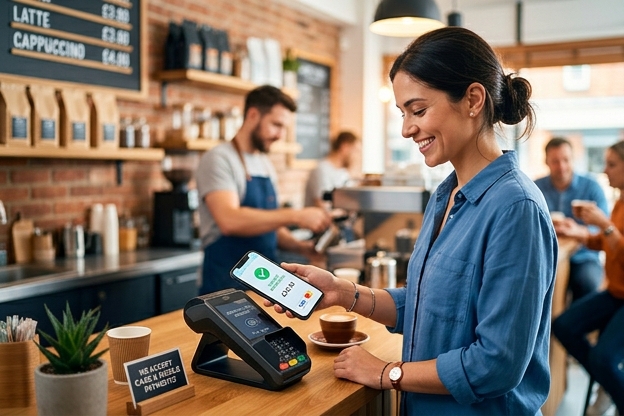
Retail Credit Card Processing sits at the center of store performance. If your checkout is slow, your fees are opaque, or your processor freezes funds during a sales spike, your revenue takes the hit immediately. For brick-and-mortar retailers, pop-up sellers, specialty shops, and multi-location brands, payment processing is not a back-office detail. It affects conversion, staff efficiency, customer trust, and cash flow every single day.
That is why merchants increasingly look for partners that understand risk, hardware, fraud controls, and underwriting together. High Risk Credit Card Processing has built its reputation by helping merchants secure stable payment acceptance, especially when standard providers are too rigid, too expensive, or too quick to terminate accounts after normal retail fluctuations.
Retail Credit Card Processing is the system that allows a retail business to accept credit and debit card payments in person, online, or across multiple sales channels. It includes the payment gateway or terminal, the processor, the acquiring bank, interchange fees, settlement timing, chargeback handling, and the compliance controls that keep transactions secure.
For a retailer, the right setup means more than card acceptance. It means fast authorization, clean reporting, fewer declined transactions, lower fraud exposure, and a pricing model that does not quietly erode profit.
Table of Contents
- How Retail Credit Card Processing Actually Works
- Why the Right Processor Matters More Than Most Retailers Think
- The Real Costs Behind Retail Payment Acceptance
- Comparing Retail Processing Setups by Store Type
- How to Get Approved and Stay Approved
- Fraud, Chargebacks, and Risk Management in Retail
- What We Have Seen in the Field
- How to Choose a Retail Processor Without Regret
- Where Retail Credit Card Processing Is Headed Next
How Retail Credit Card Processing Actually Works
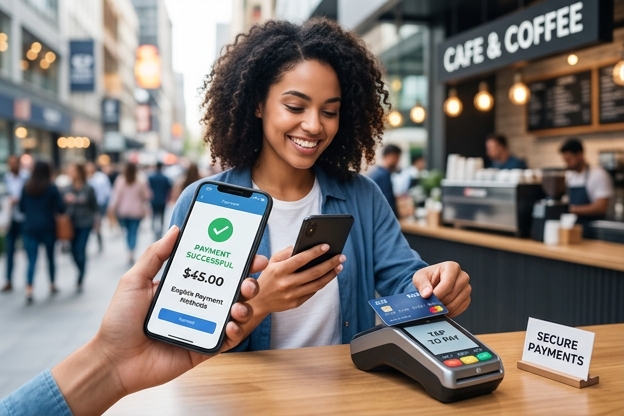
At the counter, a card tap looks simple. Behind the scenes, several systems fire in seconds. The terminal captures card data, encrypts it, sends it through the processor, reaches the card network, and receives an approval or decline from the issuing bank. After authorization, the transaction enters batch settlement so the money can move into the merchant account.
For retailers, the most important operational pieces are:
- POS hardware and software that can handle tap, dip, swipe, mobile wallets, returns, and inventory syncing
- Payment processor that routes transactions and manages settlement
- Merchant account where approved card transactions are deposited
- Gateway or payment middleware for omni-channel sales and e-commerce integration
- Security controls such as EMV, tokenization, encryption, and PCI compliance
The system becomes more complex when you sell through more than one channel. A retailer with a storefront, website, mobile checkout, and seasonal event booths needs a unified processing strategy, not separate tools stitched together. When channels are fragmented, reporting breaks, fraud patterns become harder to see, and staff wastes time reconciling transactions.
What approval, settlement, and funding really mean
An approved transaction is not the same as cash in your bank account. Approval means the issuer has authorized the charge. Settlement is the process of finalizing and submitting the batch. Funding is when the processor and acquiring bank release money into your account, often in one to three business days, though high-risk accounts may face reserves or longer funding windows.
This distinction matters because many retail owners think they have a sales problem when they actually have a settlement or reserve problem. We regularly see merchants with solid revenue but poor processor fit, leading to delayed payouts and operational stress.
Why the Right Processor Matters More Than Most Retailers Think
Many retailers choose a processor based on a quoted rate alone. That shortcut usually backfires. The processor affects acceptance rates, staff training, refund friction, dispute management, inventory integration, and even customer perception at the register.
According to the National Retail Federation’s 2024 payments research, merchants remain deeply concerned about rising acceptance costs and fraud pressure, especially as customer expectations for frictionless checkout continue to rise. Separately, the Federal Reserve’s 2024 Diary of Consumer Payment Choice showed that cards remain a dominant payment method for U.S. consumers, with credit cards accounting for a substantial share of purchase value. For retailers, that means card acceptance is not optional infrastructure. It is core revenue infrastructure.
“Retailers should evaluate processing partners the way they evaluate landlords or major suppliers. A weak fit can quietly drain margin for years.”
The wrong provider usually creates one or more of these problems:
- High effective processing rates hidden behind teaser pricing
- Frozen funds after a strong sales weekend or holiday surge
- Poor integration with POS, accounting, loyalty, or e-commerce tools
- Weak support during terminal outages or chargeback spikes
- Account termination due to misunderstanding of product type or sales pattern
Pro Tip: Ask every processor for your estimated effective rate, not just the qualified or advertised rate. Effective rate is total processing cost divided by total card sales, and it reveals what you are actually paying.
The Real Costs Behind Retail Payment Acceptance
Most retail pricing falls into one of three models: flat-rate, interchange-plus, or tiered pricing. Flat-rate is simple and often attractive for new or low-volume merchants. Interchange-plus is usually more transparent and can be more cost-effective at scale. Tiered pricing often causes the most confusion because transactions are grouped into buckets that can obscure real cost drivers.
Your total fees may include:
- Interchange fees paid to card-issuing banks
- Assessment fees charged by card networks
- Processor markup
- Monthly account or statement fees
- PCI compliance fees
- Chargeback fees
- Gateway fees for online or omni-channel sales
- Hardware lease or purchase costs
According to the Nilson Report’s 2024 analysis of card payment activity, U.S. merchant card fees continue to represent a major expense category for businesses accepting electronic payments at scale. That is one reason margin-sensitive retailers should review statements quarterly rather than waiting until renewal time.
Cost drivers retailers often miss
Card-not-present orders, keyed-in transactions, rewards cards, business cards, and poor POS configuration can all push costs up. So can avoidable behaviors such as failing to settle batches on time, not using address verification for remote orders, or forcing staff to key in chip cards because hardware is outdated.
Another overlooked factor is industry classification. Retailers selling certain products, operating in seasonal bursts, or running high average tickets may be categorized differently by underwriters. That affects reserve requirements, monitoring thresholds, and pricing. This is where a specialist like High Risk Credit Card Processing can often secure more realistic underwriting than a mass-market platform.

Comparing Retail Processing Setups by Store Type
Not every retail business should use the same processing stack. A boutique with one register, a furniture store with high tickets, and a smoke shop with elevated underwriting friction have very different needs. The best setup aligns with volume, channel mix, risk profile, and customer behavior.
| Retail Scenario | Typical Processing Need | Main Risk Factor | Best-Fit Approach |
|---|---|---|---|
| Single-location apparel boutique | Fast POS, inventory sync, mobile wallet support | Thin margins and return volume | Interchange-plus with integrated POS |
| Furniture showroom | High-ticket approvals, financing options, deposit handling | Large disputes and delayed fulfillment | Specialized underwriting with documented delivery policies |
| Convenience store chain | Speed, uptime, multi-lane support, daily settlement | High transaction counts and device downtime | Enterprise processor with redundancy and lane management |
| Pop-up and event-based retailer | Portable terminals, fast boarding, cellular reliability | Irregular volume spikes | Flexible mobile processing with pre-cleared volume expectations |
| CBD or other restricted-category retailer | Compliant merchant account, stable reserves, online plus in-store support | High-risk classification and account shutdowns | High-risk specialist processor with proactive compliance review |
How to Get Approved and Stay Approved
Approval is partly about your store and partly about how clearly your business is presented to underwriting. Retailers with clean documentation, transparent product descriptions, realistic volume projections, and consistent bank records are easier to approve and easier to keep active.
Here is a practical path:
- Gather legal entity documents, EIN confirmation, business license, bank statements, and recent processing history if available.
- Present your true sales channels, average ticket, refund policy, and fulfillment timing.
- Make sure your website, if you have one, matches what you sell in store and includes clear policies.
- Choose hardware and software that support EMV, tokenization, and clean reconciliation.
- Set realistic monthly volume estimates rather than lowballing to speed approval.
- Monitor chargebacks, refunds, and suspicious transaction patterns from day one.
Why merchants get terminated
Processors usually do not close accounts without a trigger. Common triggers include excessive chargebacks, mismatched business activity, prohibited products, sudden unexplained volume jumps, and suspicious refund patterns. Sometimes the issue is not fraud at all. It is poor fit between the merchant and a processor that was never built for that retail model.
That is why specialized underwriting matters. If you sell age-restricted, high-ticket, seasonal, or heavily promoted products, you need a processor that expects those patterns instead of interpreting them as violations.
Pro Tip: Before a holiday campaign or store expansion, tell your processor about the expected volume increase. Advance notice can reduce the chance of reserve changes or temporary holds.
Fraud, Chargebacks, and Risk Management in Retail
Retail fraud is no longer limited to stolen plastic cards. Merchants now deal with friendly fraud, refund abuse, account takeover, organized return scams, and omni-channel mismatches between in-store and online identities. A strong processing setup should help you detect risk without slowing down legitimate buyers.
According to the 2024 LexisNexis True Cost of Fraud research, merchants continue to face a multiplier effect where each dollar of fraud can cost far more once labor, lost goods, fees, and reputational harm are included. For retailers, prevention is usually cheaper than dispute response.
Controls that actually help
- EMV-enabled terminals to reduce counterfeit card exposure
- Tokenization for saved credentials and repeat customers
- Staff training on suspicious behavior and manual overrides
- Address verification and CVV checks for phone or web orders
- Clear refund, exchange, and pickup policies printed on receipts and posted online
- Unified reporting across store, web, and mobile sales channels
“The best fraud strategy in retail is layered. Technology catches patterns, but policy and staff discipline close the gaps.”
There is a balancing act here. Too much friction at checkout kills conversion. Too little control raises losses and dispute rates. The right processor should help you tune rules by channel, product category, and average ticket rather than applying blunt filters across the entire business.
What We Have Seen in the Field
I worked with a specialty retailer that had three physical locations and a fast-growing online store. Their previous processor loved the low rates during onboarding, then changed the tone after two strong promotional months. Funding slowed, reserves increased, and customer service became almost impossible to reach. The merchant was not fraudulent or reckless. They were simply growing faster than their processor was comfortable with.
After reviewing the account, High Risk Credit Card Processing rebuilt the setup around a better-fit merchant account, clearer sales documentation, and a processing structure that matched the merchant’s actual channel mix. We aligned the POS and gateway reporting, tightened their refund language, and prepared underwriters for seasonal spikes. Within one quarter, their payout timing stabilized and dispute ratios improved because order and return records were easier to retrieve.
In another case, I saw a high-ticket home goods seller get declined repeatedly by mainstream providers because their average transaction size triggered extra scrutiny. The business itself was healthy, but long fulfillment windows made standard processors nervous. We helped the merchant present delivery timelines, signed customer acknowledgments, and product documentation in a way underwriters could actually use. Approval came through with a reserve structure the retailer could plan around, instead of random holds after every busy weekend.
These cases all point to the same truth: a lot of “processing problems” are really underwriting communication problems. When the provider understands the retail model, the merchant gets a fairer shot at stability.
How to Choose a Retail Processor Without Regret
Retailers should shop for processing the way they shop for inventory systems or lease terms: carefully, with evidence. Marketing pages are not enough. Ask to see statement-level pricing examples, hardware compatibility, support response windows, and reserve policies in writing.
Questions worth asking before you sign
- What pricing model are you offering, and can you estimate my effective rate?
- How quickly do you fund standard retail transactions?
- Do you support my POS, inventory, accounting, and e-commerce tools?
- What events trigger reserves, holds, or account reviews?
- How are chargebacks managed, and what evidence tools are provided?
- Is support available during store hours, weekends, and holiday peaks?
- Can you support higher-risk or restricted retail categories if my product mix changes?
Do not ignore contract structure. Some retailers save a few basis points and then lose far more through cancellation fees, poor support, forced equipment leases, or sudden pricing adjustments. A transparent contract with realistic underwriting is often better than an artificially cheap quote.
Where Retail Credit Card Processing Is Headed Next
Retail payments are moving toward tighter integration, not stand-alone terminals. Stores want one system that can handle in-person payments, online orders, returns, gift cards, loyalty, customer profiles, and fraud monitoring in one place. Processors that only move money, without usable business intelligence, are becoming less attractive.
Several trends are worth watching through 2026:
- Tap-to-pay expansion across phones and lighter hardware footprints for small-format retail
- More intelligent routing and retry logic to improve authorization rates
- AI-assisted fraud screening with better pattern detection across channels
- Greater pressure on fee transparency as merchants scrutinize processor markups
- Embedded finance options such as installment offers and branded financing at checkout
For merchants in complex categories, the biggest shift may be the growing gap between generic payment tools and specialist payment partners. As compliance and risk controls become more demanding, category expertise becomes a competitive advantage, not a nice extra.
Conclusion
Retail Credit Card Processing is one of the few operational decisions that touches revenue, customer experience, fraud exposure, and daily cash flow at the same time. The best setup is not just the cheapest rate on paper. It is the one that keeps approvals high, reporting clean, disputes manageable, and funding stable as your business grows.
High Risk Credit Card Processing recommends three practical next steps for retailers:
- Audit your last three processing statements to calculate your true effective rate and identify avoidable fees.
- Review your current processor’s reserve, funding, and termination policies before your next seasonal promotion.
- Match your processor to your actual retail model, especially if you sell high-ticket, seasonal, restricted, or multi-channel products.
References
- National Retail Federation, 2024 payments research — Provided merchant-focused data on payment costs, fraud concerns, and checkout expectations.
- Federal Reserve, 2024 Diary of Consumer Payment Choice — Offered current insight into how U.S. consumers use credit cards and other payment methods.
- Nilson Report, 2024 card fee analysis — Helped frame the scale of merchant card acceptance costs in the U.S. market.
- LexisNexis Risk Solutions, 2024 True Cost of Fraud research — Supported discussion of fraud’s broader operational and financial impact on merchants.
FAQ
What is Retail Credit Card Processing?
Retail Credit Card Processing is the system that lets stores accept card payments in person, online, or across multiple channels. It includes the POS or terminal, processor, merchant account, settlement process, fees, and security controls such as EMV and PCI compliance.
How much does retail credit card processing usually cost?
Costs vary by card type, transaction method, industry, and processor markup. Most retailers should expect a combination of:
Interchange and card network fees
Processor markup
Monthly, PCI, gateway, or chargeback fees
Hardware or software costs
What is the difference between a payment processor and a merchant account?
The processor handles transaction routing and communication between the terminal, card network, and issuing bank. The merchant account is the account structure where approved card funds are held before they are deposited into your business bank account.
Why do some retail merchants need a high-risk processor?
Some stores face stricter underwriting because of what they sell or how they sell it. A high-risk processor may be needed if the retailer has:
Restricted or closely regulated products
High average ticket sizes
Seasonal or irregular sales spikes
Higher-than-average chargeback exposure
Prior account terminations or reserve issues
How long does it take for retail card payments to fund?
Many standard retail accounts fund in one to three business days after settlement. High-risk merchants, new accounts, or businesses with unusual volume patterns may experience longer funding times or reserve holds depending on the provider’s risk rules.
How can retailers reduce chargebacks?
Retailers usually reduce chargebacks by tightening both checkout controls and customer communication. Strong tactics include:
Using EMV-enabled terminals
Posting clear return and refund policies
Keeping signed receipts and delivery records
Using AVS and CVV for remote orders
Responding quickly to dispute notifications
What should I look for in a retail processing provider?
A strong provider should offer more than a low advertised rate. Key qualities include:
Transparent pricing
Reliable funding timelines
POS and software integration
Chargeback support
Responsive customer service
Underwriting that fits your actual retail category