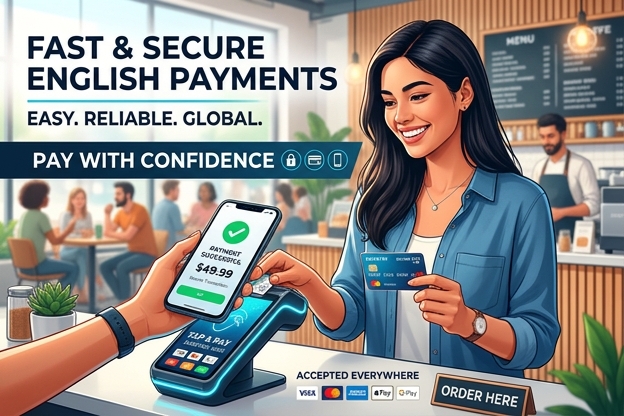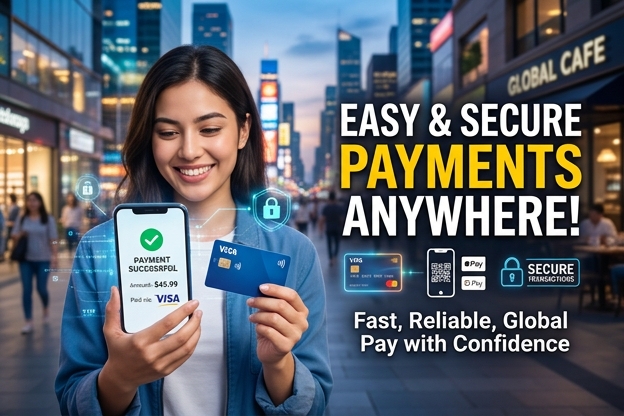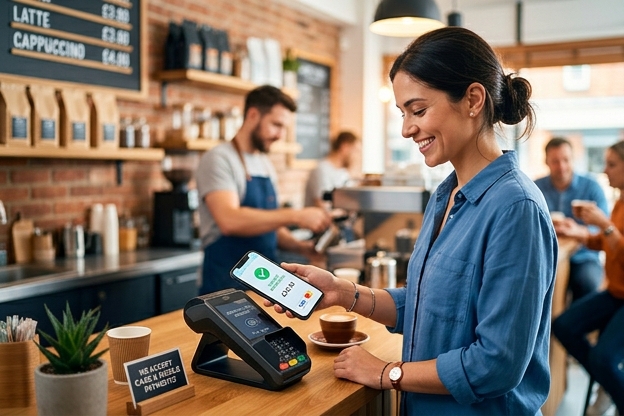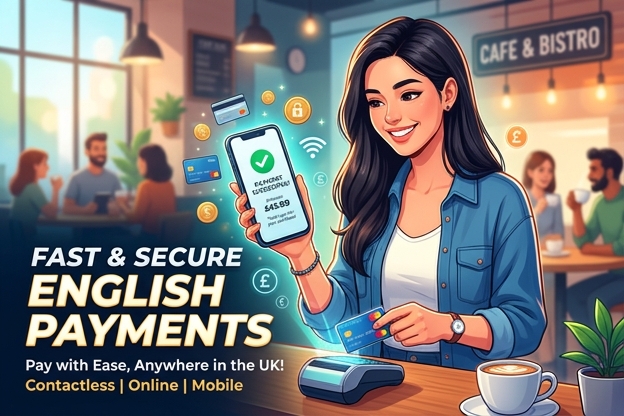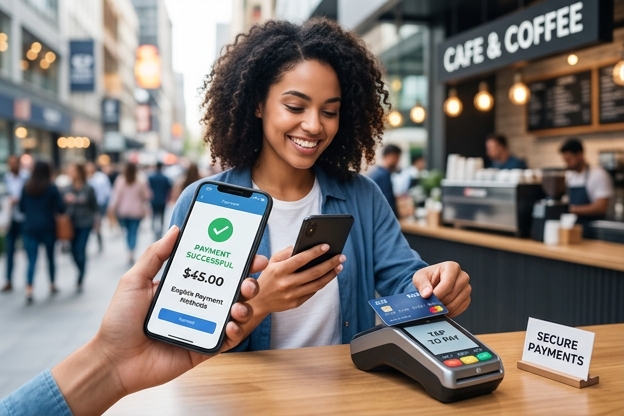
Learn how to use a credit card for smart payments and easy purchases with tips on rewards, security, budgeting, and business-friendly payment strategies
Use a Credit Card for Smart Payments and Easy Purchases
When cash flow feels tight, checkout friction kills sales, or expense tracking turns messy, the ability to Use a Credit Card for Smart Payments and Easy Purchases becomes more than a convenience. It becomes a financial operating habit. Consumers want speed, security, and rewards. Businesses want authorization reliability, fraud controls, and cleaner reconciliation. Both sides want fewer headaches at the point of payment.
That is where High Risk Credit Card Processing stands out. As a specialist in payment acceptance, risk management, and merchant strategy, the brand helps businesses and consumers think beyond the swipe. A credit card is not just a plastic spending tool. Used well, it can improve budgeting, create purchase protections, support business growth, and reduce payment friction across in-store, online, and recurring transactions.
Use a Credit Card for Smart Payments and Easy Purchases means using credit strategically to make transactions faster, safer, and easier to manage. It includes choosing the right card, paying on time, using rewards wisely, and relying on built-in protections such as dispute rights, fraud monitoring, and purchase coverage.
The difference between smart use and expensive use usually comes down to habits. The same card that helps streamline purchases can also trigger interest charges, overspending, and fraud exposure if it is handled carelessly. That balance matters, especially in an economy where convenience often tempts people to spend before they plan.
Table of Contents
- Why Smart Payments Matter More Than Ever
- What Makes Credit Cards So Effective for Everyday Purchases
- How to Choose the Right Credit Card for Your Spending Style
- Security, Fraud Protection, and Chargeback Reality
- Best Credit Card Strategies by Business and Buyer Type
- A Real-World Case from High Risk Credit Card Processing
- Risks, Fees, and Common Missteps
- A Practical Plan to Use Credit More Wisely
- Where Smart Credit Card Payments Are Going Next
Why Smart Payments Matter More Than Ever
Fast payments are now part of customer expectations, not a premium add-on. Whether someone is ordering supplements online, booking a same-day service, or paying for software, they want a checkout experience that feels immediate and low-risk. Credit cards meet that expectation better than many alternatives because they combine speed with consumer protections.
According to the Federal Reserve’s 2024 Diary of Consumer Payment Choice, cards remained one of the most commonly used non-cash payment methods in the United States. That tells us something important: consumers are not just using cards for large purchases. They are relying on them for routine spending, subscription management, travel, and digital commerce.
For merchants, smart card acceptance affects revenue just as much as customer experience. Failed authorizations, clunky payment forms, and limited payment flexibility can drive abandonment at the worst possible moment. In high-risk sectors especially, getting approved for the right processing setup can mean the difference between scaling and stalling.
What Makes Credit Cards So Effective for Everyday Purchases
Used responsibly, credit cards offer a stack of advantages that debit cards and cash cannot always match. The value is not only in spending power. It is in control, protection, and flexibility.
They separate timing of purchase from timing of cash outflow
That gap matters. It lets consumers handle planned expenses while preserving liquidity in their bank account. For small businesses, especially those with uneven revenue cycles, using a credit card intelligently can smooth supplier payments and recurring software costs until receivables come in.
They often include stronger purchase protection
Many major issuers provide dispute rights, fraud liability protections, travel safeguards, and extended warranty benefits. That makes cards especially useful for online transactions, travel bookings, and high-ticket items where delivery, quality, or billing issues are more likely to come up.
They improve expense visibility
Card statements create a digital trail. That helps with categorizing spending, identifying duplicate subscriptions, monitoring employee purchases, and preparing for tax or bookkeeping work. According to J.D. Power’s 2024 U.S. Credit Card Satisfaction Study, digital account tools and app functionality continue to shape how cardholders evaluate their experience, which shows how closely payment behavior is now tied to account visibility.
They can generate value back
- Cash-back cards can reduce net cost on daily spending.
- Travel cards can offset flights, hotels, and airport perks.
- Business cards can provide reporting tools and employee controls.
- Introductory APR offers can help manage short-term planned expenses when handled with discipline.
“The smartest card users do not ask, ‘How much can I buy?’ They ask, ‘What payment method gives me the most protection, the cleanest record, and the lowest total cost?’”
How to Choose the Right Credit Card for Your Spending Style
The right card depends on behavior, not hype. Too many people choose based on a sign-up bonus and ignore annual fees, redemption limits, or how they actually spend each month.
Start with your primary use case
If most of your spending is groceries, gas, and household bills, a simple flat-rate cash-back card may beat a premium travel card. If you spend heavily on flights and hotels, category rewards can pay off. If you carry a balance occasionally, APR matters more than points.
Review these factors before applying
- APR: Critical if you may revolve a balance.
- Annual fee: Worth paying only if benefits exceed cost.
- Rewards structure: Flat-rate, rotating categories, travel, or business-specific.
- Fraud tools: Alerts, virtual cards, spending controls, app lock features.
- Issuer acceptance and service: Especially important for travel or business use.
- Foreign transaction fees: A major factor for international buyers.
Match the card to how you pay, not just how you spend
If you pay in full every month, rewards can create real value. If you often need time to repay, the best card may be the one with the most forgiving interest structure and lowest fees. Smart use starts with self-awareness.
Security, Fraud Protection, and Chargeback Reality
One reason people prefer credit cards for easy purchases is the safety net. But security is not automatic. It depends on issuer tools, merchant controls, and user behavior.
Why credit cards feel safer than many alternatives
Credit cards typically offer zero-liability policies for unauthorized use, clearer dispute channels, and less direct exposure of bank cash than debit cards. If fraud hits a credit line, your checking account may remain untouched while the issue is investigated.
Where the real risks still exist
According to the 2024 Verizon Data Breach Investigations Report, stolen credentials and social engineering remain major attack paths across industries. Payment fraud does not always start with card cloning. It often starts with weak passwords, fake messages, account takeover, or careless data handling.
How to reduce payment risk
- Turn on real-time transaction alerts.
- Use unique passwords and multi-factor authentication for issuer logins.
- Avoid saving card details on unfamiliar websites.
- Use virtual card numbers when available for subscriptions or one-time purchases.
- Review statements weekly, not just monthly.
- For merchants, keep PCI compliance and fraud-screening rules current.
Chargebacks are useful, but they are not harmless
Consumers benefit from dispute rights, but merchants absorb real costs when chargebacks rise. Friendly fraud, unclear billing descriptors, slow fulfillment, and poor refund communication can all trigger unnecessary disputes. Businesses that want customers to use credit cards confidently need clear receipts, fast support, and transparent policies.
Best Credit Card Strategies by Business and Buyer Type
Not every payment environment works the same way. A freelancer paying software tools, an ecommerce merchant handling online orders, and a travel agency processing deposits all face different card-related priorities.
| Business or Buyer Type | Typical Card Use | Main Advantage | Primary Watchout |
|---|---|---|---|
| Ecommerce retailer | Online checkout and recurring upsells | Higher conversion with fast digital payments | Chargebacks and card-not-present fraud |
| Professional services firm | Invoices, retainers, software subscriptions | Cleaner expense tracking and faster collections | Processing fees on large invoices |
| Travel and hospitality brand | Deposits, upgrades, last-minute bookings | Flexible booking experience for customers | Refund disputes and cancellation issues |
| Everyday household spender | Groceries, fuel, utilities, online shopping | Rewards plus purchase protection | Interest costs from carrying balances |
The lesson is simple: smart credit card usage depends on context. For a merchant, the question is often about acceptance, fraud control, and settlement reliability. For a consumer, it is more about rewards, timing, and discipline.
“Convenience alone does not create a healthy payment strategy. The winning setup is convenience backed by controls, visibility, and a clear repayment plan.”
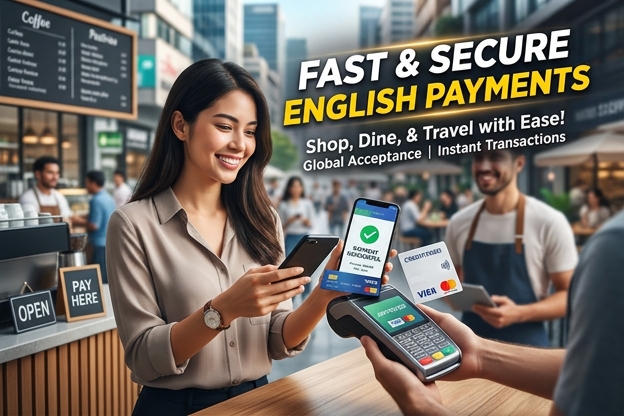
A Real-World Case from High Risk Credit Card Processing
I worked with a subscription-based wellness merchant that had a strong product, healthy demand, and a weak payment setup. Their old processor approved some transactions, but the checkout flow was inconsistent, the fraud filters were too loose, and customer service spent hours each week dealing with disputes. The result was painful: customers wanted an easy purchase experience, but the backend could not support it.
At High Risk Credit Card Processing, we rebuilt the payment stack around smarter credit card use. We helped the merchant tighten billing descriptors, add card updater tools for recurring payments, improve checkout messaging, and apply more intelligent fraud rules instead of blanket declines. Within a few months, approval consistency improved, failed recurring payments dropped, and support tickets tied to “I don’t recognize this charge” issues fell sharply.
In another case, I saw a travel-related business struggle with large-ticket bookings and anxious customers. Buyers wanted the comfort of paying by credit card because of dispute rights and travel protections, but the merchant was absorbing too much friction due to manual reviews and delayed confirmations. We helped the company restructure payment timing, preauthorization language, and confirmation communications. The card remained the preferred payment method, but the entire process felt safer for both sides.
These cases reinforce a point many businesses miss: when customers use a credit card for smart payments and easy purchases, the merchant experience behind the scenes has to be just as smart. Better card strategy is not just about accepting cards. It is about reducing failure points from authorization to reconciliation.
Risks, Fees, and Common Missteps
Credit cards are useful, but they are not free money and they are not risk-free. This is where many articles become too one-sided. The downside matters.
Interest can erase every benefit
A 2% cash-back rate means very little if you are paying high revolving interest month after month. The easiest purchase can become the most expensive one when repayment gets pushed too far out.
Convenience can encourage overspending
Behaviorally, cards reduce the “pain of paying” compared with cash. That is helpful at checkout and dangerous in budgeting. If your card usage is detached from a written spending plan, small purchases stack up fast.
Fees can surprise both consumers and businesses
- Late fees and penalty APRs can punish missed due dates.
- Annual fees can outweigh rewards if card benefits go unused.
- Cash advance fees make certain transactions far more expensive.
- Merchants face interchange costs, gateway fees, and chargeback expenses.
Approval is not equal across industries
Businesses in sectors considered high risk often face stricter underwriting, reserve requirements, rolling holds, or limited processor options. That is why specialist providers like High Risk Credit Card Processing matter. A generic setup may not be enough for subscription businesses, travel, adult, nutraceutical, or other closely monitored categories.
A Practical Plan to Use Credit More Wisely
If you want the upside of credit cards without the typical traps, keep the process boring and repeatable. Smart payments are built on routine.
A simple framework that works
- Choose one primary spending card: Use it for predictable categories such as groceries, fuel, software, or travel.
- Set one repayment rule: Pay the full statement balance whenever possible. If not, create a fixed payoff date before new discretionary spending.
- Use autopay as a backstop: Even if you manually pay, autopay can prevent accidental lateness.
- Review transactions weekly: Catch fraud, duplicate charges, and creeping spending early.
- Track rewards in dollars, not points hype: Measure what you actually redeem.
- For merchants, monitor dispute ratios monthly: Easy purchases should not create hard-to-manage chargebacks.
Good habits that pay off over time
Keep utilization reasonable, avoid opening too many cards at once, and retire subscriptions you no longer use. For business owners, separate personal and business spend from the start. That one decision alone can save hours of accounting cleanup and reduce tax-season stress.
Where Smart Credit Card Payments Are Going Next
Credit card payments are getting more invisible and more intelligent. Consumers already expect one-click checkout, tokenized wallets, real-time spending alerts, and account controls from their phone. Businesses increasingly need processors and issuers that can support recurring billing logic, network tokenization, fraud scoring, and omnichannel payment continuity.
That means “easy purchases” in the near future will not just mean a fast swipe or tap. It will mean lower false declines, better card updater performance, more secure card-on-file storage, and smarter issuer communication. According to industry trends reported across major payment providers in 2024 and 2025, merchants that reduce checkout friction while strengthening identity verification are seeing better authorization outcomes than those relying on older static rules.
The core principle will stay the same, though: convenience only becomes smart when it supports financial control. Whether you are a consumer trying to earn rewards without debt or a merchant trying to increase acceptance without attracting fraud, the best payment strategy is the one that stays usable under pressure.
Conclusion
To Use a Credit Card for Smart Payments and Easy Purchases is to treat the card as a financial tool, not a shortcut. The upside is real: better convenience, stronger purchase protections, clearer records, and potentially valuable rewards. The downside is just as real when spending outruns planning or fraud controls fall behind.
High Risk Credit Card Processing recommends three next actions:
- Audit your current payment habits or payment stack to identify where convenience is costing you money.
- Choose a card or merchant setup that matches your actual risk profile, not just marketing promises.
- Put monitoring in place now: alerts, repayment rules, fraud screening, and clear billing communication.
That is how easier purchases stay smart over the long term.
References
- Federal Reserve, 2024 Diary of Consumer Payment Choice: Provided current context on how Americans use cards and non-cash payments.
- J.D. Power, 2024 U.S. Credit Card Satisfaction Study: Supported points about digital account tools, app experience, and cardholder expectations.
- Verizon, 2024 Data Breach Investigations Report: Informed the discussion on fraud, credential theft, and payment security risks.
FAQ
Is it a good idea to Use a Credit Card for Smart Payments and Easy Purchases?
Yes, if you pay on time, monitor your account, and use a card that fits your spending habits. The main benefits are convenience, purchase protection, rewards, and cleaner expense tracking. The main risk is carrying a balance and paying high interest.
What is the safest way to use a credit card online?
Use trusted websites, enable transaction alerts, avoid public Wi-Fi for purchases, and use virtual card numbers when your issuer offers them. Reviewing charges weekly is one of the simplest ways to catch fraud early.
Is a credit card better than a debit card for large purchases?
Often yes. Credit cards usually provide stronger dispute rights, better fraud handling, and extra purchase protections for expensive items. That said, the purchase only stays smart if you can repay it without costly interest.
How can businesses reduce chargebacks when customers pay by credit card?
Start with the basics, then tighten operations:
Use clear billing descriptors
Send fast order confirmations and shipping updates
Make refund policies visible before checkout
Apply fraud filters without creating too many false declines
Work with specialists such as High Risk Credit Card Processing if your industry has elevated dispute risk
What type of credit card is best for everyday spending?
For many people, a flat-rate cash-back card is the most practical choice because it is simple and predictable. If most of your spending falls into travel or category-heavy purchases, a specialized rewards card may generate more value.
Do credit card rewards really save money?
They can, but only when you avoid interest and fees. A card that earns rewards while being paid in full each month can lower your effective cost of spending. A card that carries a balance usually does the opposite.