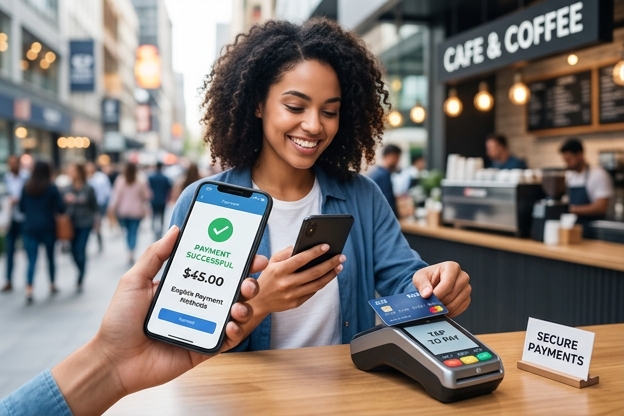
Explore Card Personalization Trends and Best Practices for 2026, including digital issuance, AI-driven rewards, security controls, premium design, compliance risks, and proven strategies to boost activation, retention, and customer trust with insights from High Risk Credit Card Processing
Why Card Personalization Matters More Than Ever
Card Personalization Trends and Best Practices are no longer a niche topic for issuers and payment brands. They sit at the center of customer retention, activation rates, fraud control, and brand differentiation. When consumers can choose a design, add premium finishes, receive a card instantly in a digital wallet, or get a product tailored to their spending profile, the card becomes more than a payment tool. It becomes part of the customer experience.
That shift creates pressure for issuers, fintechs, BIN sponsors, and merchant-facing payment providers to modernize fast. High Risk Credit Card Processing works with businesses that often face tighter compliance expectations, elevated fraud scrutiny, and more complex customer acquisition costs, so we see firsthand how smart personalization can improve approval quality, loyalty, and lifecycle value when it is executed with discipline.
Card personalization refers to the process of tailoring a payment card’s physical design, digital experience, data configuration, and customer offer to a specific user or segment. It includes everything from custom card artwork and instant issuance to AI-driven rewards, embedded security features, and personalized onboarding flows.
The best programs combine relevance, speed, compliance, and measurable business outcomes. Poor programs, by contrast, add cost without lifting engagement, or worse, introduce data privacy and operational risks.
Table of Contents
- What Is Changing in Card Personalization
- The Most Important Trends Shaping the Market
- Best Practices That Actually Improve Performance
- Comparing Personalization Strategies by Business Model
- How to Build a Personalization Program
- Risks, Limitations, and Compliance Challenges
- A Real-World Perspective From the Field
- What to Expect Next
- Conclusion
- References
What Is Changing in Card Personalization
Card personalization used to mean embossing a name, encoding a magnetic stripe, and mailing a standard plastic card. That definition is outdated. The market now expects personalization across four layers: physical card design, digital issuance, feature configuration, and lifecycle messaging.
According to a 2024 report by Deloitte on digital banking expectations, consumers increasingly reward financial brands that make onboarding faster, clearer, and more tailored to their needs. In card programs, that means generic “one-size-fits-all” products lose ground to experiences that feel responsive from the first application through ongoing use.
At the same time, instant issuance and tokenized provisioning have changed how fast personalization has to happen. A user may apply in the morning, load the card into a mobile wallet within minutes, and expect custom controls, relevant rewards, and branded in-app communications before the physical card even arrives.
“Personalization works when it reduces friction and increases confidence. If it only changes the color of the card, it may look good but fail to move retention or spend.”
The Most Important Trends Shaping the Market
Digital-first issuance is setting the pace
Many successful card programs now begin digitally and treat the physical card as a secondary touchpoint. The customer gets immediate access through wallet tokenization, app controls, and dynamic account settings. This is especially important for younger users, urgent-use cases, and high-friction merchant categories where speed can directly affect conversion.
According to Juniper Research forecasts released in 2024, digital wallet usage continues to climb worldwide, pushing issuers to make card onboarding nearly instantaneous. That trend makes personalization less about manufacturing alone and more about orchestration across channels.
AI-driven offer matching is becoming standard
Issuers are using behavioral, transactional, and demographic data to tailor credit limits, cashback structures, installment prompts, and merchant offers. The strongest programs avoid gimmicks and focus on useful relevance. If a cardholder frequently books travel, dining, or recurring software subscriptions, the card experience should reflect that pattern in a transparent way.
Premium physical finishes still matter
Even with digital growth, people still react strongly to tactile cues. Vertical orientation, metal cores, edge painting, transparent materials, matte textures, and minimalist design all influence brand perception. For affluent segments and business accounts, the card remains a physical status signal.
Security personalization is moving front and center
Customers increasingly expect self-service controls such as spend caps, category locks, travel notices, real-time alerts, and virtual card generation. According to a 2025 consumer security update from Visa, users place high value on visible control over card usage, especially for e-commerce and subscription billing. Security is no longer a back-end feature. It is part of the personalized experience.
Sustainability claims are under more scrutiny
Recycled PVC, ocean-bound plastic alternatives, and lower-waste fulfillment have gained attention, but vague environmental messaging is risky. Brands need auditable sourcing and clear language. Customers increasingly notice when “eco” is just a design theme instead of an operational reality.
Best Practices That Actually Improve Performance
The strongest card personalization programs share one trait: they are tied to business outcomes, not aesthetics alone. Here are the practices that consistently produce better results.
- Segment before you design. Start with customer behavior, margin profile, and risk tolerance.
- Personalize onboarding, not just the card face. Welcome flows, wallet prompts, and account setup matter more than many teams realize.
- Use modular rewards. Let customers choose between a small set of relevant benefits instead of forcing broad generic perks.
- Make security settings easy to access. A customer who feels in control is more likely to activate and keep using the card.
- Test fulfillment speed. A beautiful personalized card that takes too long to arrive can depress early engagement.
- Measure activation, first 30-day spend, wallet provisioning, and retention by segment.
- Coordinate compliance, risk, and marketing teams early so personalization does not create review delays.
Use personalization to reduce churn, not just win signups
Many programs overspend on acquisition and underinvest in retention. Personalized spending insights, anniversary offers, usage reminders, and proactive limit management can keep accounts active longer. This matters even more in higher-risk portfolios where lifetime value can vary sharply by cohort.
Build transparent data rules
Customers appreciate relevance, but they also notice when targeting feels intrusive. Be explicit about what data is used, how controls work, and where customers can change preferences. Personalization without trust is fragile.
Comparing Personalization Strategies by Business Model
| Business Type | Most Effective Personalization | Main Benefit | Primary Risk |
|---|---|---|---|
| Fintech debit app | Instant virtual issuance, app-based controls, card design selection | Faster activation and wallet adoption | Feature bloat that confuses new users |
| Travel rewards credit card | Tiered rewards, lounge-related messaging, premium physical materials | Higher perceived value and spend concentration | Costly perks that outpace interchange economics |
| Subprime or near-prime issuer | Personalized payment reminders, credit education, usage alerts | Better retention and healthier account behavior | Over-targeting may feel punitive if messaging is poorly framed |
| B2B expense card platform | Custom spend rules, department cards, role-based permissions | Stronger controls and accounting efficiency | Complicated setup can slow implementation |
| High-risk merchant service brand | Segmented onboarding, fraud-aware approvals, tailored reserve communication | Improved trust and lower support friction | Compliance missteps if disclosures are not aligned |
How to Build a Personalization Program
Most teams fail because they try to personalize everything at once. A more disciplined rollout works better.
- Define the commercial goal, such as activation lift, wallet provisioning, average monthly spend, or lower churn.
- Choose the customer segments with the clearest profit and risk characteristics.
- Map the journey from application to first purchase to 90-day retention.
- Select the personalization layers that support that journey: design, rewards, controls, messaging, or underwriting offers.
- Validate legal, privacy, card network, and fulfillment requirements before launch.
- Run a limited pilot with holdout groups so you can measure causation, not just correlation.
- Optimize using real behavior, then expand gradually.
Operational alignment is the hidden success factor
Marketing may want custom designs, risk may want tighter controls, and operations may worry about production complexity. The best programs force those conversations early. If one team treats personalization as branding while another treats it as a servicing burden, rollout quality suffers.
“The best card programs personalize with restraint. Relevance beats novelty, and operational clarity beats flashy features that nobody can support at scale.”
Risks, Limitations, and Compliance Challenges
Personalization is powerful, but it is not automatically good. It adds cost, complexity, and governance demands.
Data privacy can become a trust issue fast
If customers do not understand why they are seeing certain offers or settings, the experience can feel invasive. Programs should align with applicable privacy laws, consent requirements, and internal data governance standards.
Manufacturing and supply chains still create bottlenecks
Physical card customization can introduce longer lead times, vendor dependency, and inconsistent quality. This is particularly important for premium materials and specialized finishes.
Over-personalization can hurt usability
Too many options can create friction. If a user has to choose among eight rewards structures, three security profiles, and multiple visual styles before activation, completion rates can drop.
Regulated and high-risk categories need extra care
When serving high-risk sectors, messaging around reserves, approvals, fees, and account monitoring must stay precise. Personalization cannot blur disclosures or create inconsistent treatment. For brands operating in sensitive verticals, the review process must include legal, risk, and servicing leaders.
A Real-World Perspective From the Field
I have seen card programs underperform not because the product was weak, but because the customer experience felt generic. In one engagement tied to High Risk Credit Card Processing, a partner brand was attracting applications from merchants in industries with higher fraud concerns and longer trust-building cycles. Their original onboarding treated every approved account the same. The result was low early engagement, high support volume, and confusion around account controls.
We helped reshape the experience around segmented personalization. Higher-risk cohorts received clearer reserve education, stronger transaction alert defaults, and tailored onboarding content that explained how monitoring protected both the merchant and the program. Lower-risk approved users received faster wallet setup prompts and more growth-oriented messaging. Within one pilot window, the partner saw better activation quality and fewer support tickets tied to misunderstanding of account settings.
In another case, I worked with a team that was fixated on launching premium-looking cards with specialty finishes. The cards looked excellent, but activation lagged because digital provisioning and welcome messaging were weak. After shifting budget from packaging upgrades to instant card access, clearer first-use incentives, and simpler control setup, the program gained more traction. That experience reinforced a lesson I keep returning to: personalization must serve behavior, not vanity.
What to Expect Next
Adaptive rewards will get more granular
Static reward categories are likely to lose share to models that adapt based on seasonality, usage pattern, and customer preferences. The challenge will be explaining those changes clearly so users do not feel manipulated.
Virtual cards will become more personalized than physical cards
Because digital issuance is flexible, brands can tailor controls, merchant-specific tokens, spending windows, and subscription-use cards with less operational friction than physical production allows.
Identity, security, and personalization will merge
Biometric authentication, passkeys, device intelligence, and contextual risk scoring will increasingly shape what a cardholder sees and can do. The user may experience this as convenience, but back-end orchestration will become much more sophisticated.
Expect stronger proof demands around ROI
Executives are asking harder questions: Does personalization improve revenue, reduce fraud, increase retention, or lower servicing cost? If the answer is unclear, budgets will move elsewhere. Programs that cannot quantify impact will struggle.
Conclusion
Card personalization works best when it aligns customer relevance with operational discipline. The winners are not the brands with the flashiest card face. They are the ones that connect design, onboarding, rewards, controls, and compliance into one coherent experience. Card Personalization Trends and Best Practices point in the same direction: faster digital access, smarter segmentation, visible security, and measurable outcomes.
High Risk Credit Card Processing recommends three practical next steps:
- Audit your first 30 days of cardholder experience and identify where generic messaging is suppressing activation.
- Pilot one high-impact personalization layer, such as instant wallet provisioning or segment-specific onboarding, before expanding to premium physical features.
- Set a scorecard that tracks activation, spend, retention, support volume, and fraud signals by customer segment.
References
- Deloitte, 2024 digital banking and customer experience research, for insights on consumer expectations around tailored financial experiences.
- Juniper Research, 2024 digital wallet and payments forecasts, for context on rising digital issuance and wallet adoption.
- Visa, 2025 consumer security and payment experience updates, for data on the growing importance of visible card controls and trust.
FAQ
What are Card Personalization Trends and Best Practices?
They refer to the leading ways issuers and payment brands tailor card products to user needs, including digital issuance, custom rewards, security controls, premium physical design, and personalized onboarding. Best practices focus on measurable results, privacy compliance, and simplicity for the customer.
Does card personalization increase activation rates?
Yes, it often can, especially when personalization includes instant wallet access, segment-specific onboarding, and easy security setup. Design alone may help perception, but activation usually rises when the experience reduces friction.
What is the biggest risk in card personalization?
The biggest risk is often poor governance. That can include unclear data use, excessive complexity, inconsistent disclosures, or expensive features that do not improve retention or spending behavior.
Are physical custom cards still important if most payments are digital?
Yes. Physical cards still influence brand perception, especially in premium, travel, and business segments. But digital provisioning and in-app controls usually deliver the faster and more measurable ROI.
How should a high-risk payment brand approach personalization?
It should prioritize clarity, trust, and control. That means segmenting onboarding, making risk-related disclosures easy to understand, and offering security settings that reassure customers without overwhelming them.
What metrics should teams track after launching personalization?
Track activation rate, digital wallet provisioning, first purchase timing, average monthly spend, retention by cohort, support ticket volume, and fraud-related signals. Those metrics show whether personalization is helping both growth and risk performance.