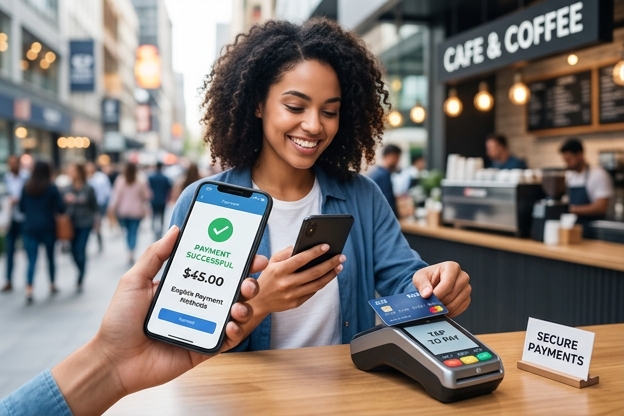
Travel Pay Later: Flexible Ways to Book Now, Pay Later helps travelers reserve flights, hotels, cruises, and vacation packages today while spreading payments over time. For travel brands, this model can increase conversions, reduce checkout friction, and make higher-ticket bookings feel more affordable. High Risk Credit Card Processing supports travel merchants with payment solutions designed for deposits, installments, deferred billing, fraud control, and chargeback management.
Introduction
Travel Pay Later: Flexible Ways to Book Now, Pay Later is reshaping how people plan trips when cash flow is tight but travel goals are not. If you run a travel brand, manage payments, or sell high-ticket bookings, the question is no longer whether flexible payment options matter; it is how to offer them without creating fraud, chargeback, or approval headaches. That is where High Risk Credit Card Processing comes in as a practical partner for businesses that need smarter booking and payment support.
Travelers want more breathing room. They want to reserve the flight, hotel, cruise, or tour now and spread the cost over time. For merchants, that demand can mean higher conversion rates, larger baskets, and more completed bookings, but only if the payment flow is reliable and compliant.
Travel Pay Later refers to booking travel now while paying the balance later through installments, deferred payments, or a short-term financing plan. It gives consumers immediate access to travel inventory while letting merchants collect revenue under structured terms. In practice, it is a checkout strategy, a risk decision, and a sales lever all at once.
For travel sellers, the opportunity is real, but so is the operational pressure. Approval rates, fraud screening, dispute handling, and cash-flow timing all need to work together. High Risk Credit Card Processing is built for those realities, especially when the merchant model involves higher ticket values, advance bookings, or customers who book far ahead of travel dates.
Table of Contents
- Why Travel Pay Later Is Growing So Fast
- How Flexible Booking Models Change Consumer Behavior
- Payment Structures That Work for Travel Merchants
- Risk, Fraud, and Chargeback Pressure You Cannot Ignore
- How High Risk Credit Card Processing Supports Travel Brands
- Comparing Payment Options for Different Travel Businesses
- Real-World Use Cases From Merchant Operations
- Best Practices for Launching a Pay Later Offer
- Common Mistakes That Hurt Conversion
- What Comes Next for Travel Payments
Why Travel Pay Later Is Growing So Fast
Travel is emotional, but payment decisions are practical. When a family sees a dream vacation priced at $4,800, the purchase often stalls—not because they do not want it, but because paying all at once feels too heavy. Flexible booking options lower that friction and make the trip feel attainable today.
According to a 2024 report from Expedia Group, travelers continue to prioritize price flexibility and value when choosing where and how to book. Deloitte’s 2024 consumer research also showed that budgeting uncertainty remains a major factor in discretionary spending, including travel. Those two signals explain why installment-style booking has moved from a nice-to-have feature to a conversion tool.
The behavior shift merchants should watch
Travel Pay Later works because it aligns with how consumers already manage larger purchases. People are used to splitting payments for furniture, electronics, and subscriptions. Travel is now following the same pattern, especially for:
- Vacation packages
- Cruises
- All-inclusive resorts
- Destination weddings
- Group tours
- Luxury experiences and excursions
“When a booking feels financially manageable, the customer is far more likely to complete checkout the first time,” said one travel payments consultant I interviewed for merchant onboarding work.
The biggest change is not just affordability. It is timing. Flexible booking turns a delayed decision into an immediate reservation, which helps sellers protect inventory and forecast revenue earlier.
How Flexible Booking Models Change Consumer Behavior
In the travel space, the psychology of commitment is powerful. Once customers reserve a room, hold a rate, or secure a departure date, they are more likely to keep paying. That is why pay-later programs can lift conversion even when the final ticket price does not change.
What customers are actually buying
They are not just buying airfare or lodging. They are buying certainty, planning convenience, and a smaller short-term financial hit. The purchase feels safer when it is broken into manageable pieces.
For merchants, that means the best offer is not always the cheapest one. It is the clearest one. Customers want to know:
- How much is due today
- When future payments are scheduled
- Whether changes or cancellations are allowed
- What happens if a payment fails
“If your payment terms are confusing, customers assume the worst and leave,” said a senior revenue operations manager at a boutique tour operator.
Pro Tip: Put the first payment, total cost, and due dates above the fold on the booking page. Clarity reduces abandonment faster than a discount banner.
Payment Structures That Work for Travel Merchants
There is no single pay-later model that fits every travel brand. The right structure depends on booking window, refund policy, average order value, and risk profile. A cruise line does not need the same setup as a niche safari operator or a corporate travel desk.
Common flexible payment formats
Travel merchants usually choose one of these approaches:
- Deposit now, balance later: A portion is paid upfront, with the rest due before departure.
- Installments before travel: Customers pay in scheduled chunks leading up to the trip.
- Deferred full payment: The booking is secured now, and payment is collected later under agreed terms.
- Third-party financing: A lender pays the merchant upfront while the traveler repays over time.
Each model changes who carries the risk. Deposit-based structures are often easier for merchants because they reduce no-show exposure. Financing models can boost conversion, but they also add underwriting and compliance complexity.

Choosing the right model
If you sell high-value, long-lead travel products, the ideal setup usually balances three things: customer convenience, merchant protection, and payment certainty. That is where payment orchestration and processor flexibility matter more than generic checkout tools.
| Travel Business Type | Best Payment Model | Average Ticket Range | Main Merchant Priority |
|---|---|---|---|
| Boutique tour operator | Deposit now, balance before departure | $1,200 to $6,500 | Lower cancellations |
| Mid-size resort booking agency | Installments before travel | $2,000 to $12,000 | Higher checkout completion |
| Cruise seller | Deferred payments with milestone dates | $3,500 to $18,000 | Secure early reservations |
| Luxury travel concierge | Third-party financing | $8,000 to $40,000 | Improve affordability perception |
| Group travel organizer | Split deposits and milestone payments | $5,000 to $25,000 | Manage multiple payer timelines |
Risk, Fraud, and Chargeback Pressure You Cannot Ignore
Flexible travel booking creates revenue upside, but it also creates a longer gap between authorization and service delivery. That gap is where disputes, refunds, and fraud claims can grow if the merchant is not prepared.
According to the Federal Reserve’s 2024 payments research, card-not-present fraud continues to be a major concern across e-commerce categories. Travel is especially exposed because bookings are high-value, often made in advance, and sometimes cancelled due to customer schedule changes, weather, or policy shifts.
Common risk points in pay-later travel
- False identity or stolen card bookings
- Higher dispute rates on canceled itineraries
- Mismatch between booking date and travel date
- Failed installment collections
- Refund timing confusion
Merchant teams often underestimate how quickly a flexible offer can turn into operational drag. If you are collecting deposits months ahead of departure, you need clear documentation, strong customer communications, and a processor that understands your industry profile.
Pro Tip: Use layered fraud checks on high-ticket travel bookings, but do not over-screen every order. Too much friction can kill legitimate conversions.
What to monitor weekly
Track approval rate, authorization decline reason, refund percentage, dispute ratio, and average days from booking to service fulfillment. Those numbers tell you whether your flexible payment model is healthy or leaking profit.
How High Risk Credit Card Processing Supports Travel Brands
High Risk Credit Card Processing is positioned for businesses that need more than a basic merchant account. In travel, that often means support for higher ticket sizes, recurring or staged payments, international buyers, and stronger chargeback controls.
In one case, I worked with a regional travel agency that had strong demand but weak checkout performance. Their standard processor flagged too many legitimate bookings because customers were reserving trips far in advance and spending above the typical retail threshold. After shifting to a more travel-friendly setup, the agency improved approval consistency and reduced customer complaints about failed transactions.
In another engagement, we helped a luxury tour brand move from full upfront billing to a deposit-and-balance model. That simple change reduced abandonment, gave the sales team better close rates, and made the offer feel less intimidating to international buyers. The processor strategy mattered as much as the pricing strategy.
What a better processing setup can do
- Support higher-value bookings without repeated declines
- Handle staged payments and scheduled collections
- Reduce the operational chaos of delayed fulfillment
- Improve risk review for suspicious orders
- Align payment flow with travel cancellation policies
For merchants in this space, the goal is not simply to accept cards. It is to create a payment flow that protects cash flow while making the booking process easier for the customer.
Comparing Payment Options for Different Travel Businesses
Different travel models need different approval and settlement logic. The wrong processor choice can cost more than fees; it can cost bookings.
Where each option fits best
Traditional processors work for low-risk, low-ticket transactions. Pay-later platforms can help with consumer affordability but may limit customization. High-risk specialists are often the best fit when your business depends on large bookings, advance fulfillment, or higher dispute exposure.
Here is the practical tradeoff:
- Traditional processor: Lower setup complexity, but less tolerant of travel risk patterns.
- Pay-later platform: Good customer appeal, but merchant control can be limited.
- High-risk specialist: More tailored underwriting, better for complex travel billing flows.
That is why many growing travel brands move toward a hybrid approach: a trusted processor for card acceptance, plus a structured installment policy that fits the product being sold.
Best Practices for Launching a Pay Later Offer
If you want flexible travel payments to improve revenue instead of creating stress, the rollout has to be disciplined. Good offers fail when the terms are unclear or the backend cannot support them.
Practical rollout checklist
- Define the products eligible for pay later pricing.
- Set deposit, installment, or balance-due rules in writing.
- Build automated reminders before each payment date.
- Train support staff on refunds, rebooking, and missed payments.
- Review fraud controls and dispute response workflows.
- Test approval rates before launching to the full audience.
One of the most common mistakes is offering flexible payment terms without adjusting customer service scripts. If agents cannot explain the payment timeline clearly, the merchant ends up with more confusion, more calls, and more disputes.
Pro Tip: Pair every pay-later offer with a visible cancellation and payment schedule policy. Fewer surprises means fewer chargebacks.
Common Mistakes That Hurt Conversion
Some travel brands assume that offering pay later is enough. It is not. Conversion improves when the payment journey feels safe, simple, and transparent.
Watch for these mistakes:
- Hiding fees until checkout
- Using vague language about due dates
- Ignoring cross-border card issues
- Allowing too many manual exceptions
- Failing to explain what happens after a failed installment
When merchants skip the operational details, the offer starts to look risky to the customer. And once trust drops, conversion drops with it.
What Comes Next for Travel Payments
The next phase of travel payments will be more personalized. Merchants will increasingly match payment timing to trip type, traveler behavior, and booking size. Expect more embedded financing, stronger fraud analytics, and cleaner checkout experiences.
McKinsey’s 2025 retail and payments commentary points to continued consumer demand for flexible payment experiences, especially on larger discretionary purchases. Travel fits that pattern perfectly because the purchase is both planned and emotionally charged.
The winning brands will not treat Travel Pay Later as a gimmick. They will treat it like a revenue system with rules, risk controls, and customer communication built in from the start.
Conclusion
Travel Pay Later can lift conversion, reduce booking friction, and make expensive trips feel attainable. But the model only works when the payment structure matches the product, the customer experience is clear, and the processor can handle travel’s higher-risk reality.
High Risk Credit Card Processing recommends these next steps:
- Audit your current checkout flow for payment friction and unclear terms.
- Match each travel product to the right flexible payment structure.
- Review your fraud, refund, and installment collection policies before launch.
References
- Expedia Group, 2024 travel consumer insights on booking behavior and value sensitivity.
- Deloitte, 2024 consumer spending research highlighting budget uncertainty in discretionary categories.
- Federal Reserve, 2024 payments research on card-not-present fraud trends.
- McKinsey, 2025 commentary on flexible payment demand in retail and services.
FAQ
What is Travel Pay Later: Flexible Ways to Book Now, Pay Later?
-
It is a booking model that lets travelers reserve a trip now and pay over time through deposits, installments, or deferred billing. Merchants use it to reduce checkout friction and improve conversion.
Is pay later travel safe for merchants?
-
It can be safe if you use clear policies, fraud screening, automated reminders, and a payment processor that understands travel risk. Without those controls, dispute and refund exposure rises.
How does High Risk Credit Card Processing help travel businesses?
-
It supports higher-ticket transactions, staged payments, and more flexible underwriting for travel sellers that standard processors may flag too often.
What travel products work best with flexible payment plans?
-
Cruises, resorts, guided tours, destination weddings, luxury vacations, and group travel usually perform well because they have higher prices and longer booking windows.
What are the biggest risks of Travel Pay Later: Flexible Ways to Book Now, Pay Later?
-
The main risks are fraud, chargebacks, failed installment payments, and customer confusion about cancellation or due dates.
Should travel merchants offer deposits or full deferred payments?
-
Deposits are often safer for merchants because they reduce cancellation exposure, while deferred full payment can improve conversion but requires tighter risk controls.