Learn what card issuing is, how card issuing works, key players, costs, risks, and launch steps for fintech, B2B, and embedded payment programs.
Card programs fail when teams treat issuing like a simple printing task. What Is Card Issuing? A Complete Guide to How Card Issuing Works is really a question about infrastructure, compliance, risk, customer experience, and revenue design. If you are launching a fintech app, a B2B spend platform, a rewards card, or a specialized payment product, the quality of your issuing setup shapes approval rates, fraud exposure, and user trust.
That is why operators spend so much time comparing sponsors, processors, KYC flows, ledger models, and card controls before a card ever reaches a wallet or mailbox. High Risk Credit Card Processing is often brought into these conversations because complex merchant categories, higher scrutiny, and underwriting friction demand a more practical view of how card programs actually get built and scaled.
Card issuing is the process of creating and managing payment cards that consumers or businesses can use to make purchases, withdraw cash, or access a line of credit. It includes the legal, technical, and operational layers behind the card, from network enablement and authorization logic to compliance, settlement, and fraud controls.
In simple terms, an issuer is the institution or program partner that stands behind the card. When a cardholder taps, swipes, inserts, or pays online, the issuing stack decides whether to approve the transaction, how to record it, and how funds or credit are applied.
Table of Contents
- What card issuing means in practice
- Who is involved in the issuing ecosystem
- How card issuing works from authorization to settlement
- Types of card issuing programs
- How to launch a card program
- Revenue, costs, and unit economics
- Compliance, fraud, and operational risks
- A real-world case perspective from High Risk Credit Card Processing
- Where card issuing is heading next
What card issuing means in practice
Card issuing is the business of enabling end users to hold and use payment credentials backed by an approved financial institution and connected to a card network such as Visa, Mastercard, American Express, or Discover. The visible part is the plastic or virtual card. The less visible part is the program architecture: sponsor bank, issuer processor, fraud engine, onboarding flow, ledger, dispute management, funding rails, and reporting.
Many founders first assume issuing means “get cards made and mailed.” That is only one small piece. A serious card program must answer tougher questions:
- Who is the regulated issuer of record?
- How will cardholders be onboarded and verified?
- What funding source powers purchases: prepaid balance, debit account, or revolving credit?
- How will transaction rules be enforced in real time?
- Who handles chargebacks, losses, sanctions screening, and suspicious activity reviews?
- What happens if a card is tokenized into Apple Pay or Google Pay?
According to the Nilson Report, global card purchase volume has continued to rise across both consumer and commercial payment use cases, which is one reason issuing has expanded beyond traditional banks into embedded finance, vertical SaaS, and expense management platforms. More companies now see a card not just as a payment instrument, but as a software-controlled distribution channel for money.
Who is involved in the issuing ecosystem
A card program works because multiple entities coordinate behind the scenes. If one layer is weak, the customer experience suffers fast.
Issuer or sponsor bank
The sponsor bank is the regulated financial institution that issues the card and holds key compliance responsibilities. In many fintech programs, the brand on the card is not the bank itself, but the bank still owns the regulated side of the relationship.
Card network
Visa and Mastercard are the two most common rails for modern issuing programs in the United States, though other networks may also apply. The network sets standards for message formats, interchange rules, acceptance, tokenization, and dispute procedures.
Issuer processor
The processor handles the real-time mechanics of card use. That includes authorization messages, card status controls, PIN management, velocity rules, and settlement file processing.
Program manager or fintech brand
This is the user-facing company that designs the product, manages the app experience, sets business logic, and often owns marketing, support, and growth. In embedded finance, this could be a SaaS company offering branded cards to business customers.
Fraud, KYC, and compliance vendors
These vendors support identity verification, sanctions screening, transaction monitoring, and suspicious activity detection. Their role has become more central as regulators place stronger expectations on fintech-bank oversight.
“The best issuing programs are built backward from control, not forward from card design. If you cannot explain how you approve, decline, fund, reconcile, and investigate a transaction, you are not ready to scale.”
How card issuing works from authorization to settlement
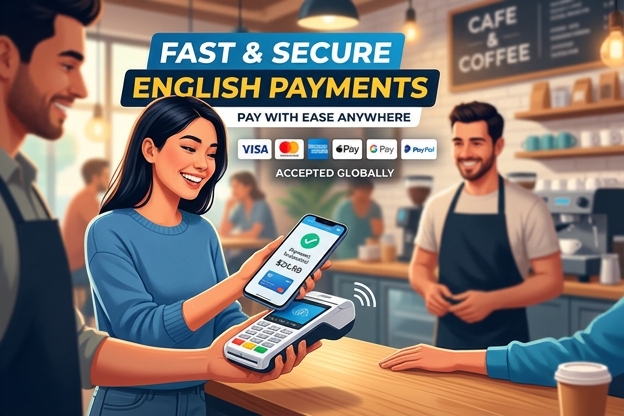
When a cardholder makes a purchase, the issuing flow happens in seconds, but several systems are involved.
- The cardholder initiates a transaction online, in store, or through a wallet.
- The merchant sends the transaction to its acquirer or payment processor.
- The card network routes the authorization request to the issuer processor.
- The issuer checks available balance or credit, card status, fraud rules, merchant category restrictions, and any custom controls.
- The issuer approves or declines the transaction and sends the response back through the network.
- If approved, the transaction is later cleared and settled, and the issuer posts it to the customer account or ledger.
That sequence sounds clean, but real programs must also deal with delayed presentment, incremental authorizations, card-not-present fraud, cash access controls, recurring billing disputes, and token lifecycle management.
According to the Federal Reserve Payments Study released in 2024, card-not-present activity remains a major area of growth in U.S. payments. For issuers, that means authorization logic can no longer be generic. Strong programs increasingly use merchant-level controls, adaptive fraud models, and dynamic spend rules.
Authorization is where product strategy becomes visible
Authorization rules are not just risk settings. They shape the customer promise. A fleet card may allow fuel and maintenance but block entertainment spend. A B2B expense card may require memo fields or receipt capture for certain merchant categories. A teen card may have daily limits and geolocation alerts. A high-risk merchant support product may need tighter velocity checks and reserve-aware decisioning.
Settlement is where reconciliation pain shows up
Many teams focus on approval rates and forget downstream accounting. Once clearing files arrive, the issuer or program manager must reconcile holds, posted transactions, refunds, interchange, fees, and exceptions. Weak reconciliation creates support tickets, ledger drift, and finance headaches.
Types of card issuing programs
Not every card product works the same way. The issuing model determines regulation, economics, customer acquisition strategy, and loss exposure.
| Program Type | Typical User | Primary Funding Model | Common Business Goal |
|---|---|---|---|
| Consumer prepaid card | Budget-focused retail users | Preloaded balance | Financial access and spend control |
| Debit card linked to account | Neobank or bank customers | Demand deposit or stored account balance | Daily payments and account retention |
| Business expense card | SMBs and finance teams | Credit line or prefunded wallet | Spend management and policy enforcement |
| Embedded vertical card | Platform users like drivers, creators, or contractors | Platform earnings, instant payouts, or credit | Platform loyalty and payment flow ownership |
Prepaid issuing
Prepaid programs generally reduce credit risk because spending is tied to loaded funds, but they still require solid compliance and fraud controls. They are common in payroll, youth banking, and incentive use cases.
Debit issuing
Debit cards are linked to deposit or stored-value accounts and are central to neobank models. User experience matters here because balance visibility, dispute workflows, and card controls directly affect retention.
Credit and charge issuing
These models can generate stronger economics, but they also bring underwriting complexity, loss provisioning, collections, and additional disclosures. In specialized sectors, they may require nuanced risk segmentation and reserve planning.
Virtual card issuing
Virtual cards have become especially important in B2B payments, media buying, travel, procurement, and subscription management. They support tighter controls and can reduce exposure when used correctly.
How to launch a card program
Most programs succeed or fail during setup, not after the first thousand cards are shipped. The strongest launches align legal structure, product logic, and operational readiness before growth begins.
Key decisions before launch
- Choose your core use case and customer segment
- Define whether the product is prepaid, debit, credit, or hybrid
- Select a sponsor bank and network model
- Confirm KYC, KYB, AML, and sanctions processes
- Map transaction controls and approval logic
- Build reconciliation and support workflows
- Test wallet provisioning, card replacement, and dispute handling
A practical launch sequence
- Write the product and compliance requirements together, not separately.
- Validate the business model with expected interchange, fees, and loss assumptions.
- Pick vendors based on operational fit, not just API speed.
- Run pilot cohorts with restricted limits and aggressive monitoring.
- Audit customer support, ledger accuracy, and exception handling before broad rollout.
According to Deloitte’s 2024 outlook on digital payments and embedded finance, institutions and fintech partners are under increasing pressure to prove governance maturity, not just product innovation. That means launch readiness now includes documented controls, board-level risk visibility, and clearer third-party oversight.
Revenue, costs, and unit economics
A card program can create meaningful revenue, but only if the economics are understood early. Too many teams launch based on interchange headlines and then get surprised by fraud losses, support costs, reserve requirements, and sponsor oversight expenses.
Where revenue usually comes from
Common revenue streams include interchange, subscription fees, card replacement fees, FX spreads, platform markups, interest income in credit models, and software upsells tied to spend management.
Where costs pile up
Typical cost centers include network and processing fees, BIN sponsorship, compliance operations, fraud tooling, chargeback labor, customer support, card production and mailing, wallet certification, and program reserves.
For B2B and specialized merchant segments, one hidden issue is approval quality versus support burden. A program that approves slightly more transactions but creates higher downstream disputes may not actually be healthier.
“Issuing economics only look simple on a spreadsheet. The real question is whether every approved dollar of spend is profitable after fraud, servicing, reconciliation, and compliance overhead.”
Compliance, fraud, and operational risks
Card issuing creates control, but it also concentrates responsibility. If your program handles sensitive user funds or serves complex merchant categories, you need a sober view of risk.
Compliance risk
Programs must support customer identification, sanctions screening, anti-money laundering processes, complaint handling, and regulatory disclosures. Sponsor banks increasingly expect stronger reporting and more documented partner governance than they did a few years ago.
Fraud risk
Fraud can hit through account opening abuse, account takeover, synthetic identities, friendly fraud, merchant collusion, and compromised card credentials. A generic fraud engine is rarely enough for specialized programs. Transaction behavior, merchant category patterns, and funding source signals all matter.
Operational risk
The most painful failures are often operational: delayed refunds, broken dispute flows, duplicate postings, stale balances, card fulfillment errors, or poor support escalation. Customers may tolerate a decline; they rarely tolerate missing money.
Reputational risk
A card is one of the most trust-sensitive products a brand can offer. If authorizations fail unpredictably or support cannot explain balances, customers quickly question the entire platform.
According to the Association of Certified Fraud Examiners, payment fraud and occupational misuse remain active concerns across business spending environments, which is why commercial card programs increasingly combine spend controls with policy automation and employee-level audit trails.
A real-world case perspective from High Risk Credit Card Processing
I have seen teams underestimate how much issuing strategy changes when the end customer sits in a higher-risk or higher-scrutiny category. In one project involving a specialized B2B services platform, the client wanted branded cards for vendor payouts and controlled purchasing. Their early assumption was that the main challenge would be getting a card manufactured and funded. It was not. The real challenge was building a rules engine that could separate legitimate high-velocity purchasing behavior from patterns that looked suspicious to standard underwriting systems.
Working alongside High Risk Credit Card Processing, we shifted the conversation from “Can we issue cards?” to “What transaction behavior are we willing to support, monitor, and defend?” That changed vendor selection, card controls, onboarding thresholds, and reserve assumptions. Instead of opening the program wide on day one, the team launched with merchant category restrictions, tiered spend limits, and manual review triggers for exceptions. Approval quality improved because the controls matched the actual business model.
In another case, I worked with a subscription-heavy company that needed virtual cards to manage ad spend and recurring vendor payments. Their pain point was not fraud alone. It was reconciliation chaos. Card spend across teams was difficult to map back to campaigns and cost centers, and missing metadata made month-end close painful. High Risk Credit Card Processing helped the client redesign the issuing setup around virtual card granularity, custom labels, and stricter user permissions. The result was not flashy, but it was valuable: fewer disputes, cleaner books, and less finance-team friction.
These cases matter because they show a bigger truth. Card issuing works best when it is treated as a control layer for money movement, not just a payment feature.
Where card issuing is heading next
The issuing market is moving toward more embedded, programmable, and vertical-specific products. Platforms want cards that fit a workflow, not cards that sit beside one.
More programmable controls
Card products are becoming more context-aware. Businesses want to approve a purchase based on amount, merchant type, employee role, time, geography, project code, or available budget in real time.
More virtual-first experiences
Virtual issuing continues to grow because it is fast, flexible, and easier to control for online spend. For many B2B products, the physical card is no longer the starting point.
Tighter bank-fintech oversight
Regulators and sponsor banks are demanding stronger governance across partner programs. That will favor operators that document controls well and can explain exceptions clearly.
Smarter risk segmentation
One-size-fits-all fraud settings are fading. The next wave of issuing growth will come from better segmentation by merchant type, funding behavior, channel, and customer lifecycle stage.
Conclusion
Card issuing is the framework that allows a brand to put payment credentials into the market while controlling how money is spent, tracked, and protected. The strongest programs are not built around card stock or app screens alone. They are built around sponsor alignment, risk design, operational discipline, and a clear business model.
For operators evaluating a new program, High Risk Credit Card Processing recommends three practical next steps:
- Map your exact use case before choosing vendors, including funding flow, approval logic, and dispute ownership.
- Pressure-test unit economics with real assumptions for fraud, support, compliance, and reconciliation.
- Launch with controlled limits and measurable rules, then widen access only after approval quality and support workflows are proven.
References
- Federal Reserve Payments Study, 2024 update — provided recent data on U.S. payment method usage and card-not-present growth.
- Deloitte 2024 digital payments and embedded finance outlook — informed the discussion around governance, partner oversight, and launch readiness.
- Nilson Report, recent global card volume reporting — supported the broader growth context for card-based payments and issuing expansion.
- Association of Certified Fraud Examiners, current fraud research — contributed perspective on payment fraud exposure and control expectations.
FAQ
What Is Card Issuing? A Complete Guide to How Card Issuing Works for beginners?
Card issuing is the process of creating and managing payment cards that let users spend funds or access credit through a bank-backed and network-enabled program. It covers onboarding, card controls, transaction approvals, settlement, fraud prevention, and customer support.
What is the difference between card issuing and payment processing?
Card issuing focuses on the cardholder side of the transaction: approving or declining purchases, maintaining balances or credit lines, and managing the account. Payment processing usually refers to the merchant side, where transactions are accepted, routed, and settled to the seller.
Who can launch a card issuing program?
Banks can issue directly, while fintechs, software platforms, marketplaces, and B2B service companies often launch through a sponsor bank and issuing technology partners. The exact structure depends on regulation, geography, and product type.
Are virtual cards part of card issuing?
Yes. Virtual card issuing is a major part of the market, especially in B2B payments, ad spend, procurement, travel, and subscription management. Virtual cards can often be created faster and controlled more precisely than physical cards.
How do issuers make money from card programs?
Revenue can come from interchange, subscription fees, service charges, FX spreads, software add-ons, and in credit models, interest income. Profitability depends on keeping fraud, support, compliance, and operational costs under control.
What are the biggest risks in card issuing?
The most common risks include:
Fraud and account takeover
Weak KYC or AML controls
Chargebacks and dispute mismanagement
Ledger and reconciliation errors
Poor sponsor bank alignment or oversight gaps
How long does it take to launch a card issuing program?
Simple virtual-card pilots may launch in a few months, while full consumer or credit programs can take much longer due to compliance reviews, bank approval, card design, wallet tokenization, and operational testing. Timelines vary based on product complexity and partner readiness.